REGISTER for the FESTIVITIES NOW!
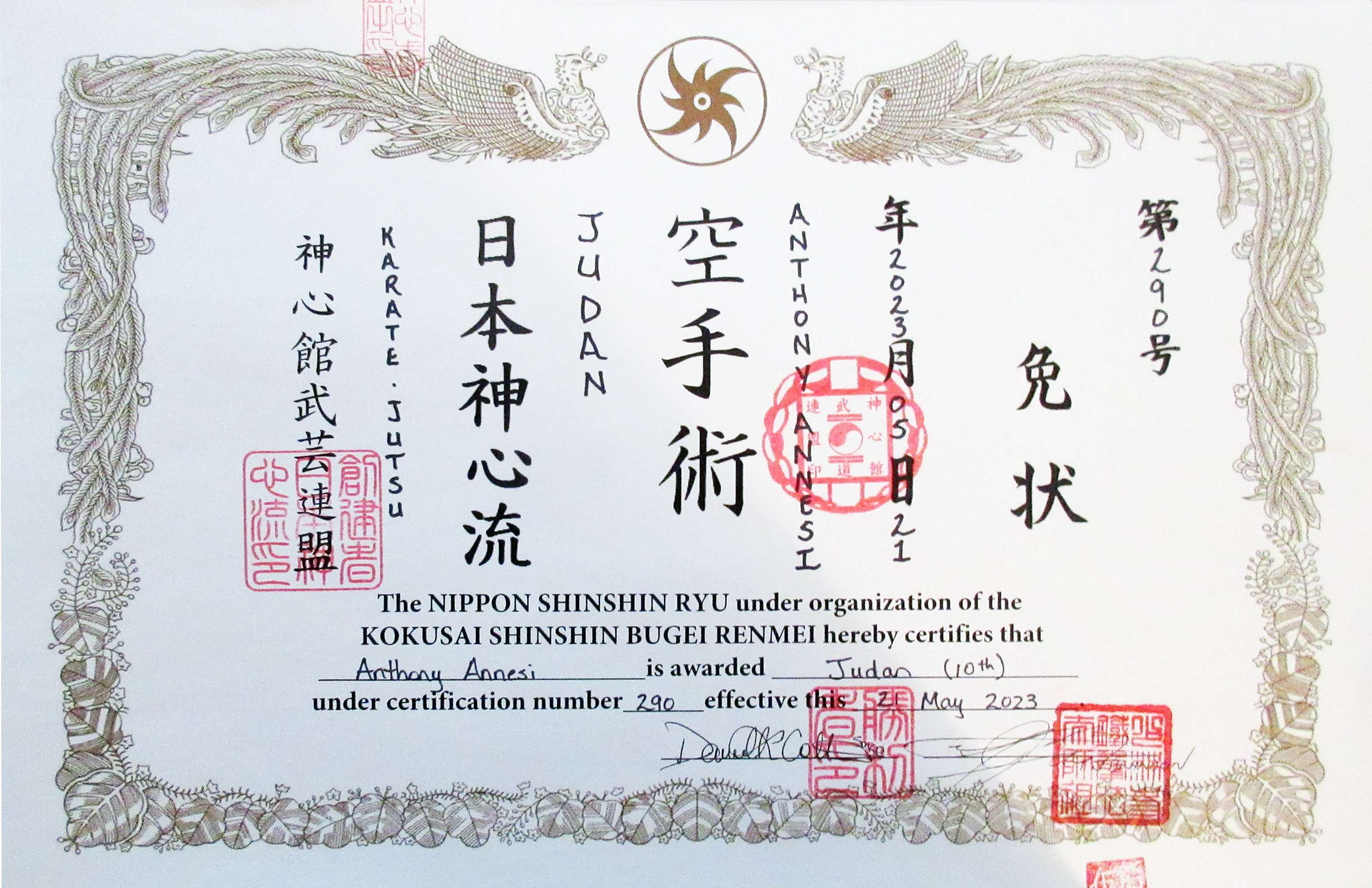
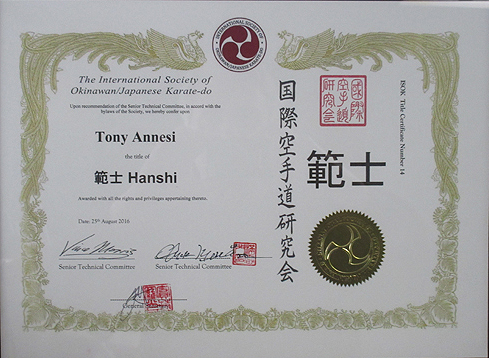
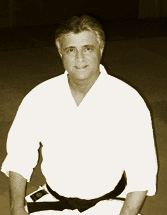
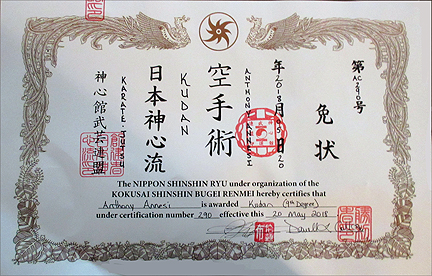
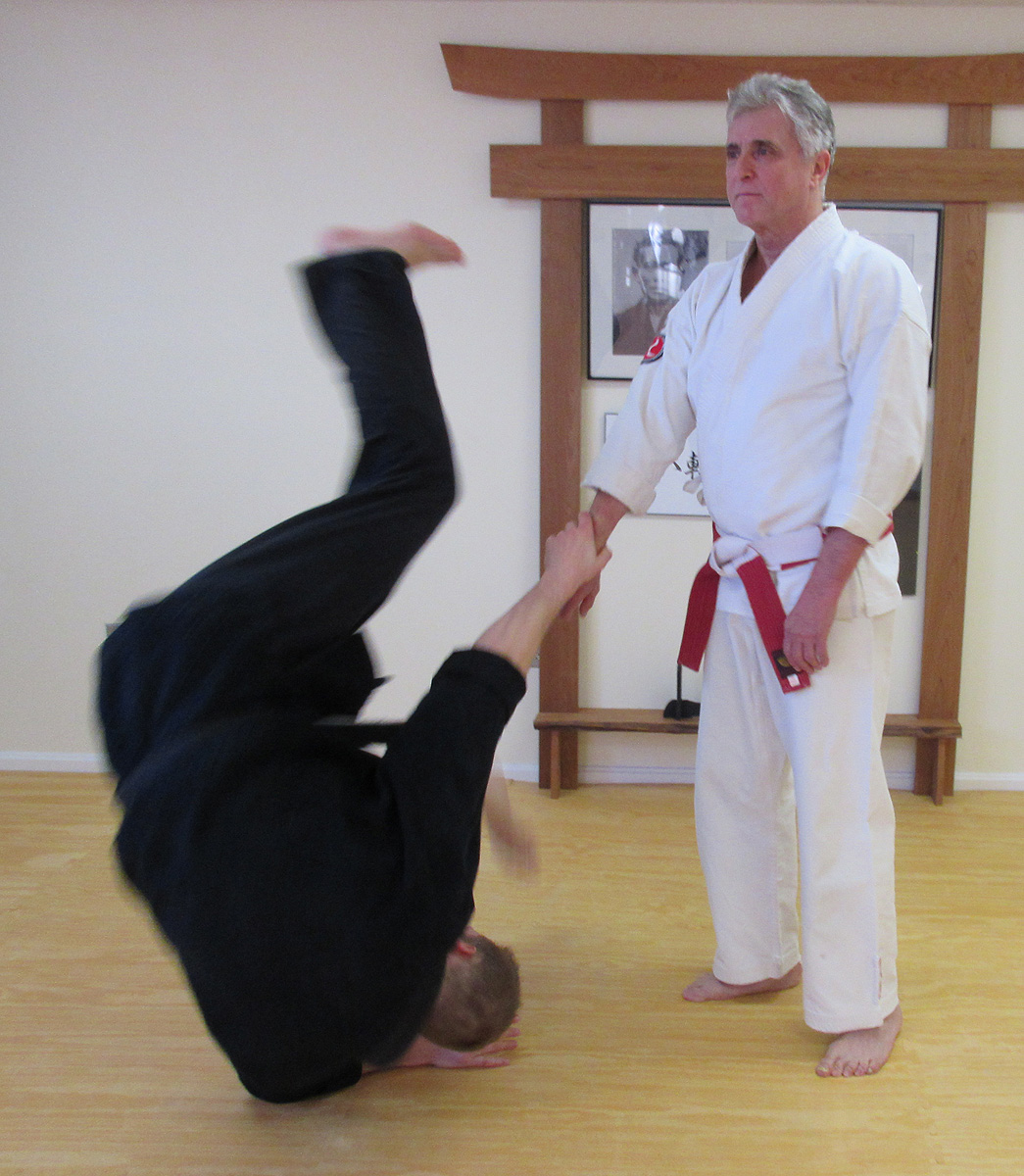
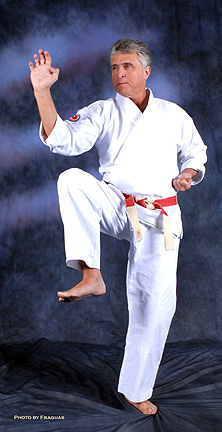
There will be a lot going on at BUSHIDO-KAI in 2009! We are planning several in-house and at least 4 big public events to celebrate Shihan-renshi Tony Annesi's 45th year in traditional budo!
If you happen to be on our Aiki or Karate Seminar lists, we will contact you about the upcoming demos, seminars, dinners and banquets automatically. A quick heads-up: May 17, June 20 & 21, Sept.19 & 20, and Nov. 15.
If you'd like to be notified by email,
just send us a note.
RAFFLE!
to be drawn during our September 20th banquet.
You don't have to present to win and anyone, near or far, can purchase a block of tickets (3 for $5).
Add some tickets to your next order!
The prizes are at this link: the membership or private lesson prizes can be substituted for book or DVD prizes of a similar value if you don't live in the area. ![]()
WANTED!
Bushido-kai is interviewing experienced local teachers for
YOGA, T'AI CHI, KICKBOXING,
KARATE-ROBICS
AM and early PM programs (Sundays, too).
Higher Education for the Traditional Martial Artist
Welcome to Bushido-kai.net, home of Takeshin Sogo Budo
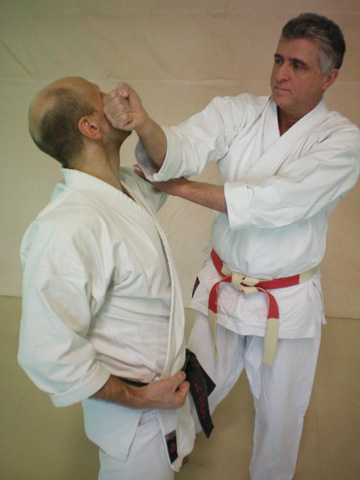
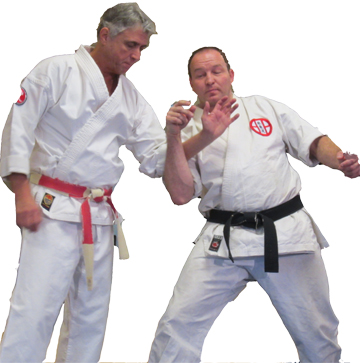
(Bamboo Spirit Comprehensive Martial Arts), a family of traditional martial art taught by Shihan Tony Annesi. Here you will find extensive information on Aiki-Ju-Jutsu (aka Aikijujutsu, Aiki-jutsu, the root of Aikido), Karate-Do (modern Karate-jutsu), and our private in-house martial study, Seiken Budo.
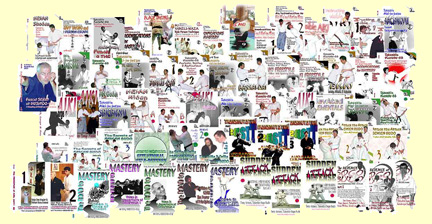
Bushido-Kai has produced an impressive line of instructional DVDs geared toward the traditional martial artist interested in self-defense and self-development. Visit the Budoya (martial arts shop) for more information and to view sample DVD preview clips. We also offer corporate business presentations and seminars geared toward learning effective conflict resolution and leadership in the workplace. Thank you for visiting Bushido-kai.
(c) 2009 BUSHIDO-KAI
Shihan Tony Annesi
Weekly ruminations for beginner, intermediate, and advanced martial artists
Sure, Self-development, but How?
One hears again and again that the martial arts are good for developing character, self-confidence, etc., but martial arts fail as much as they succeed in self-development. Ultimately, the arts are a tool used by the sincere practitioner. Even that practitioner may not know how a martial art, when successful, works its wonders on him/her.
It seems the very goal of "self-development" is an amorphous one because it is defined differently by each individual: some want to improve in physical skills, some want conditioning, some want to improve their learning ability, their positive interactions with people, their courage, their self-discipline, or their concentration. As mention in a previous article, the vague term "self-development" can be divided (following the lead of the psychologist Dr. Robert Kriegel) into 5 "C's": (1) Character and Corporeal Conditioning, (2) Commitment, (3) Courage and Confidence, (4) Civility and (5) Control. But, once self-development is defined, we still don't know how the martial arts address these items.
In my book, The Road to Mastery: The Benefits of Budo, I suggest a number of angles from which martial arts training addresses self-development, in a manner often incidental to the overt goal of the training. Of course, it is important to note that many schools, themselves unaware of how training can affect the person, simply train the student in a specific martial style -- if it helps in other areas of life, great. It is a rare instructor who is cognizant of how a training exercise or requirement may affect the student on multiple levels.
Rather than attempting to summarize the book in the remaining few lines, let me suggest a few simple ways in which traditional martial arts can get into the student's mind while training the student's body.
There are basically three ways the martial arts go about "teaching" students: (1) by direct lecture and lessons, (2) by analogy, (3) by life-lessons. The first, direct lessons , is accomplished by adhering to the art's traditions, presenting strategic or tactical philosophies, respecting the cultural heritage of the art, and the teacher's personal interpretation of the teachings. The second and third (following) are indirect methods.
Analogies allow the student to draw an intellectual lesson from a physical example. In essence they draw from what the student already knows. Blocks that bat away an attacking strike may teach us to oppose non-physical aggression in our daily life; receptions that deflect or evade an attack teach us to "side-step" non-physical aggression. Stances teach us that a foundation must be strong if we are to build skills upon it; movement drills teach us that mobility is as important as stability to effectuate those skills. Variations of technique show us that there is more than one way to defend or counterattack, teaching us to "think out of the box."
Life-lessons occur when the student makes him/herself face personal challenges in order to achieve his/her goals. Preparing for examinations offer some of the most important life-lessons. To prepare for more and more difficult examinations, one must be more and organized, have more and more discipline, learn to communicate better with seniors who can help one prepare. This sets a high value of rapport and cooperation. One must face one's own ego, one's desire to achieve, and simultaneously face one's fear of potential failure. One must learn to build oneself up but not get too cocky. This suggests a balance between being nonchalant and driven. Examinations may not teach one anything, but preparation for examination is an invaluable instructor of understanding and facing oneself. And that, of course, is what self-development is all about.
Next time, we will discuss the value of "teaching in detail".
Aiki-ju-jutsu (the root of Aikido) / Karate (Karate-jutsu) / Seiken Budo / Martial Arts DVDS /
Martial Arts Books / Classes / Seminars
• Aiki-ju-jutsu
(the root of Aikido)
• Karate (Karate-jutsu)
• Seiken Budo
• Martial Arts DVDS
• Martial Arts Books
• Classes
• Seminars
• NEW! Personal Training at Home
NEW!
Q & A with reference to our book and DVD resources
• AIKI Resource Solutions
• KARATE Resource Solutions
NEW!
Personal Training AT HOME wtih Shihan Annesi!
NB: Feel free to copy and post the article to the left as long as you include (1) the copyright date, (2) the author's name, and (3) the website address.
If you wish to be notified when a new article is posted,
just drop us a note.
Hidden Joint Jolts from Karate Kata
Sample Video
Not everyone is accepted, but once you are, you will never forget the experience.